Coronado is not Coronado: geography as a narrative detail
The Coronado Islands lie off the coast of northern Baja California, Mexico; their precise identity matters when a film uses history to establish its mood.
Why this conversation matters
Names can conceal geographic mistakes. The city of Coronado across the bay from San Diego is not the same place as the offshore Islas Coronado, also known as the Coronado Islands. The USS PC-815 incident belongs to the latter setting. A screenplay that borrows the episode should be careful with time, navigation and jurisdiction, because factual confidence makes invented danger more persuasive.
The difference between the city of Coronado and the offshore Mexican islands may appear pedantic, but production errors tend to be expensive. A single mistake about where an incident occurred can affect permits, reference photography, dialogue and audience trust. Geography is part of the director’s design system.
The Cold Open connection
Damian Wampler’s The Cold Open can use this location as a threshold between the ordinary world and the more disturbing world of the story. Offshore islands are familiar to coastal residents as silhouettes on the horizon and strange to visitors as places that appear reachable but remain separate. That is a useful visual metaphor for Jordan’s visions: visible, apparently close and difficult to enter or escape.
These notes describe a developing fictional screenplay and selectively disclose its premise. They do not publish the complete treatment or the film’s ending. Damian Wampler’s intention is to preserve the sense of discovery: an audience should arrive with questions about Jordan’s visions, not a diagram of how every death and revelation will work. The film’s commercial hook is clear even while its solution remains secret. A pitch can be generous about character, atmosphere and theme without converting mystery into a list of spoilers.
From the page to the screen
From a producing perspective, showing a place and shooting there are not the same requirement. Footage rights, a second-unit plate, visual effects and a stand-in location may all have different costs and licensing obligations. Before pitching a $300,000 film on the basis of an exotic site, the team must decide which scenes truly require physical access and which need only establish geography.
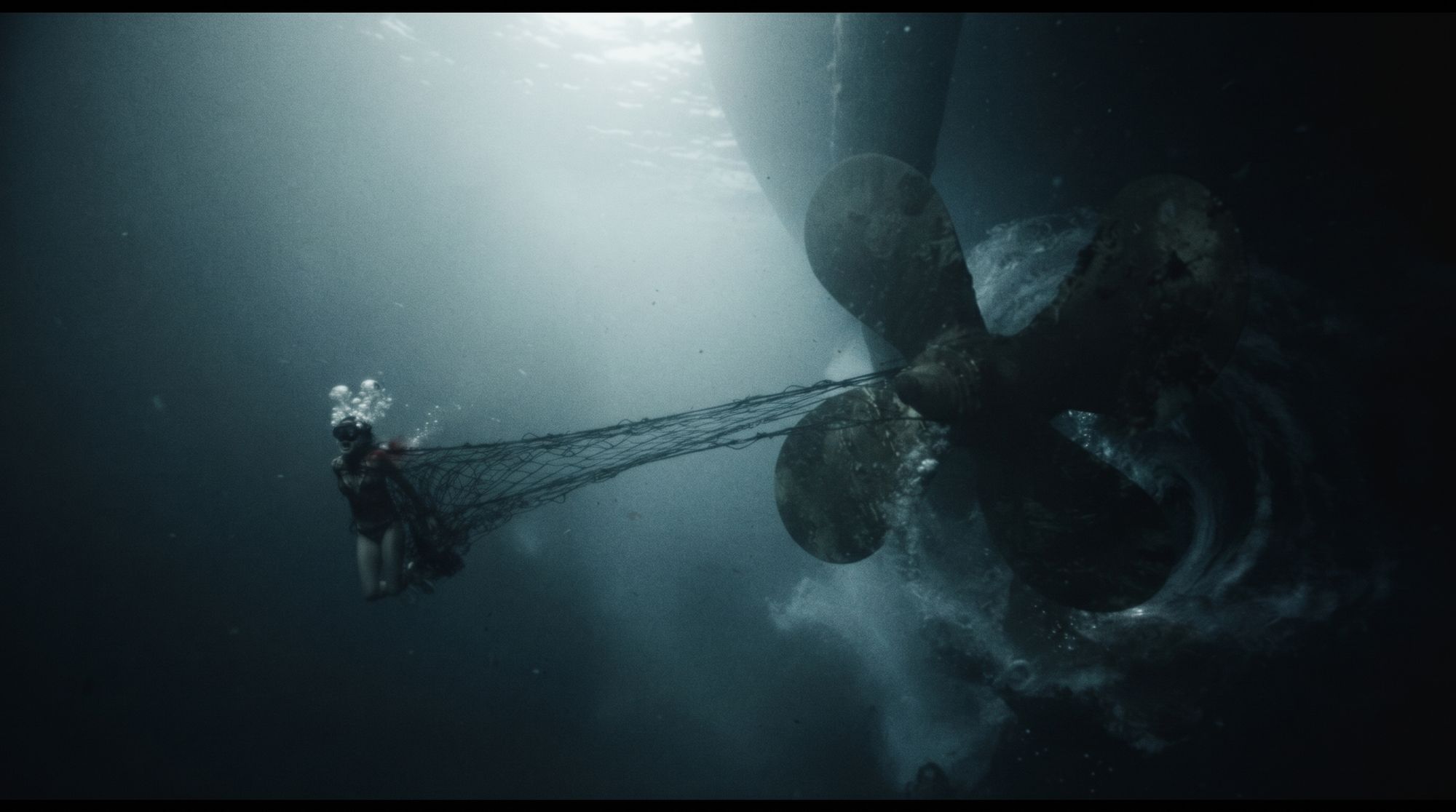
The project also lives within a real set of filmmaking constraints. Any references to underwater danger, fire, vehicles, mechanical devices or difficult historical settings describe screen concepts rather than approved stunts or locked locations. A line producer, department heads, safety specialists and counsel would need to approve a workable shooting design. The promise to partners is disciplined development, not the claim that every conceptual image can be reproduced for the lowest number on the page.
The unresolved question
How much of the terror is on the island, and how much comes from the meaning the characters bring to it? A strong film makes place emotionally necessary.